
If you’re here, you’re probably already a little different from how your parents raised you—and you’re wondering how to parent with intention, not impulse. Conscious parenting isn’t about being perfect or throwing out every tradition; it’s about showing up for your child with awareness, humility, and a willingness to grow. In this post, I’ll walk you through the first steps that can transform the way you parent, based on the powerful teachings of Dr. Shefali Tsabary and Dr. Jennifer Kolari, combined with neuroscience and psychology. This is the beginning of the journey—where change begins with you.
Why Conscious Parenting Matters More Than Ever
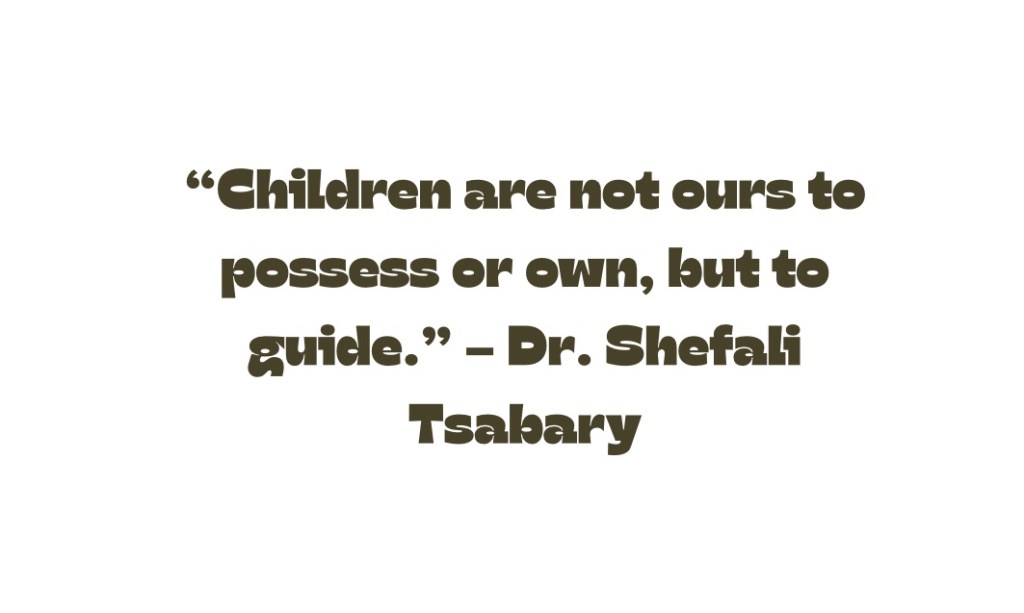
We live in a world full of distractions, stress, and performance pressure. Traditional parenting models often focused on obedience, control, and perfection. But research shows that children thrive in emotionally safe environments where they feel seen, heard, and accepted. According to attachment theory, pioneered by John Bowlby and Mary Ainsworth, secure attachment is the foundation for emotional resilience and healthy relationships. Conscious parenting creates this foundation—not through fear or force, but through connection. As Dr. Shefali Tsabary puts it, “Children are not ours to possess or own, but to guide.” Conscious parenting shifts the focus from fixing our children to healing ourselves.
Observe, Don’t React: Your Triggers Are Messengers
Here’s the hard truth: when your child “pushes your buttons,” they’re showing you where you’re still wounded. That moment when you snap at your child for being “too loud” might actually be a flashback to a time when you were shamed for expressing yourself. Dr. Shefali calls these reactions our “egoic wounds.” Neuroscience confirms that these reactions come from the amygdala—the brain’s alarm system—while conscious responses require engagement of the prefrontal cortex, the part of the brain responsible for empathy, regulation, and executive functioning. Instead of reacting, pause and observe: What emotion is this stirring in me? Where did this begin? You’re not just parenting your child—you’re re-parenting yourself.

Healing Begins With Awareness, Not Guilt
Many parents feel overwhelmed or guilty when they realize they’ve been parenting unconsciously. But this is not about shame—it’s about awareness. Conscious parenting invites you to be curious about your own upbringing. Were emotions welcome in your childhood? Were you allowed to fail? Dr. Jennifer Kolari, creator of the Connected Parenting model, emphasizes the importance of “mirroring”—responding to children with empathy so their brains learn emotional regulation. When we begin to mirror ourselves with compassion too, we start to break generational patterns. Studies in neuroplasticity have shown that even adult brains can rewire themselves with consistent mindfulness and emotional work. It’s never too late to grow—and your growth heals your child too.
Connection Over Correction: The Heart of the Approach
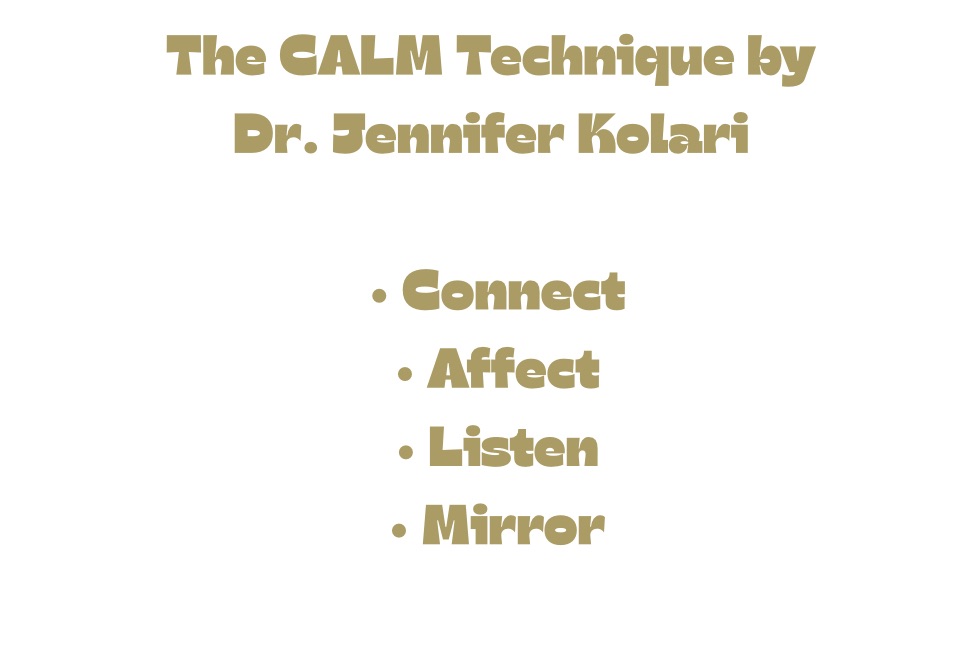
Most of us were raised to believe that discipline means punishment. But conscious parenting asks: What does my child need in this moment to feel safe, understood, and guided? Dr. Kolari’s approach uses the CALM technique—Connect, Affect, Listen, Mirror—which activates the “care circuit” in the brain, releasing oxytocin and reducing cortisol (the stress hormone). This doesn’t mean you have no boundaries—it means you lead with connection, not fear. Your authority is no longer based on control but on relationship. When your child feels safe with you, they’re more likely to cooperate, learn, and develop emotional intelligence.
Start With Small Rituals of Awareness
You don’t need to overhaul your life overnight. Begin with one conscious act a day: take a breath before responding, journal after a hard parenting moment, or simply ask yourself, “What does my child’s behavior say about their needs—and about mine?” Mindfulness, even in tiny doses, increases emotional regulation, according to research published in Frontiers in Psychology. If your child is having a meltdown, start by calming your own nervous system. Children co-regulate with us; our calm teaches them how to be calm. You’re not just raising a child—you’re building a legacy of emotional wellness.

In Conclusion: Conscious Parenting Is a Journey, Not a Destination
There’s no final exam, no “perfect parent” badge. Conscious parenting is about showing up every day with the courage to look within, the humility to repair when we mess up, and the love to lead our children toward their full potential. As you begin this journey, remember—you’re not alone, and you’re already doing something extraordinary just by being willing to wake up.
 may Heggy
Leave a comment