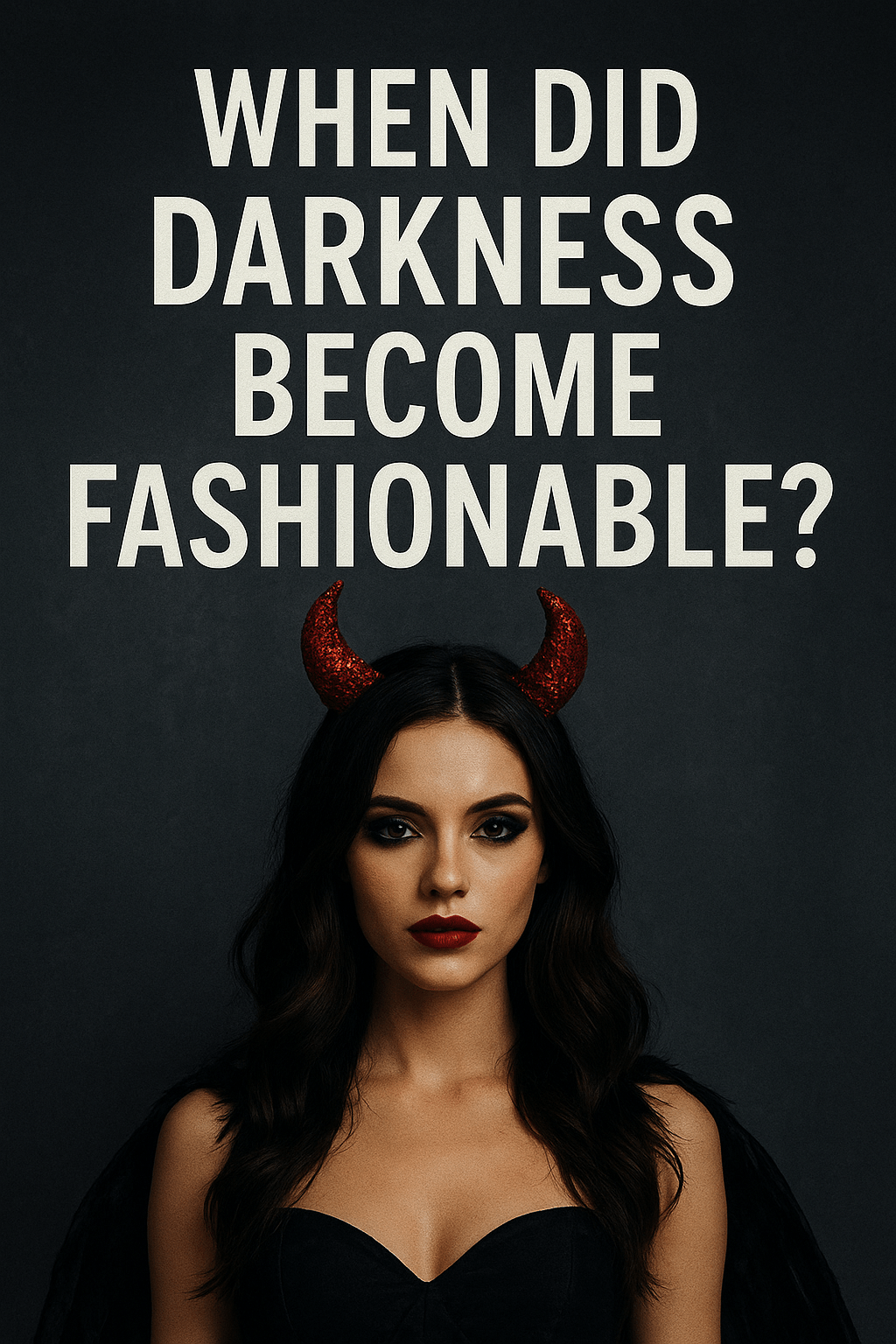

The glitter from Halloween has barely settled, yet my social media feeds still flicker with images of extravagant costumes, flawless makeup, and devil horns adorned with rhinestones. The parties look glamorous, the photos seductive, the laughter infectious. But somewhere between admiration and unease, I find myself pausing. Every time I see those horns — now just another accessory — I flinch.
Maybe it’s the way my mind works; I tend to look beyond the aesthetics, to question what lies beneath the glitter. When I was a child, devils and demons existed only in tales of good versus evil — symbolic of what humanity feared, rejected, or resisted. They were never desirable; they were the embodiment of darkness.
Fast forward to today, and the script has flipped. Demons now headline entertainment stages and saturate social media trends. YouTube is filled with children’s videos where “angels vs. demons” is presented as harmless fun. Somewhere along the way, evil became rebranded — no longer menacing, but magnetic. The horns, the dark wings, the blood-red lipstick — they’ve all been recast as aesthetic choices, stripped of their symbolism and sold as self-expression.
As someone who has studied psychology for years — particularly the subtleties of dark psychology — I can’t help but notice a familiar pattern. The first step toward acceptance of anything controversial is normalization. Once it’s everywhere, resistance weakens, and before long, what once felt wrong becomes trendy. The masses follow; only a few orchestrate.
Halloween, in its origins, was about playfulness — pumpkins, costumes, and the innocent thrill of make-believe. But lately, the tone feels heavier. The imagery has grown darker, more demonic, less about laughter and more about allure. When devils become icons of fun, we risk dulling our collective moral radar — and our children, the most impressionable among us, begin to internalize these cues as normal.
I once came across a chilling quote by Anton LaVey, founder of the Church of Satan:
“I’m glad that Christian parents let their children worship the devil at least one night out of the year.”
That sentence stayed with me — not for its shock value, but because of how easily it seems to echo today.
It’s no coincidence that popular culture now celebrates “demon hunters,” “dark angels,” and storylines drenched in possession and occult symbolism. These narratives might seem harmless, even empowering, but beneath the surface, they desensitize us — teaching young minds that darkness is not only acceptable, but intriguing.
If we want our children to grow up cherishing light, empathy, and goodness, then we must remain discerning. Culture is powerful — it shapes what we fear, what we love, and what we believe is normal. The question we should be asking isn’t whether Halloween is fun — it’s when, exactly, did darkness become fashionable?
By: May Heggy
 may Heggy
Leave a comment